
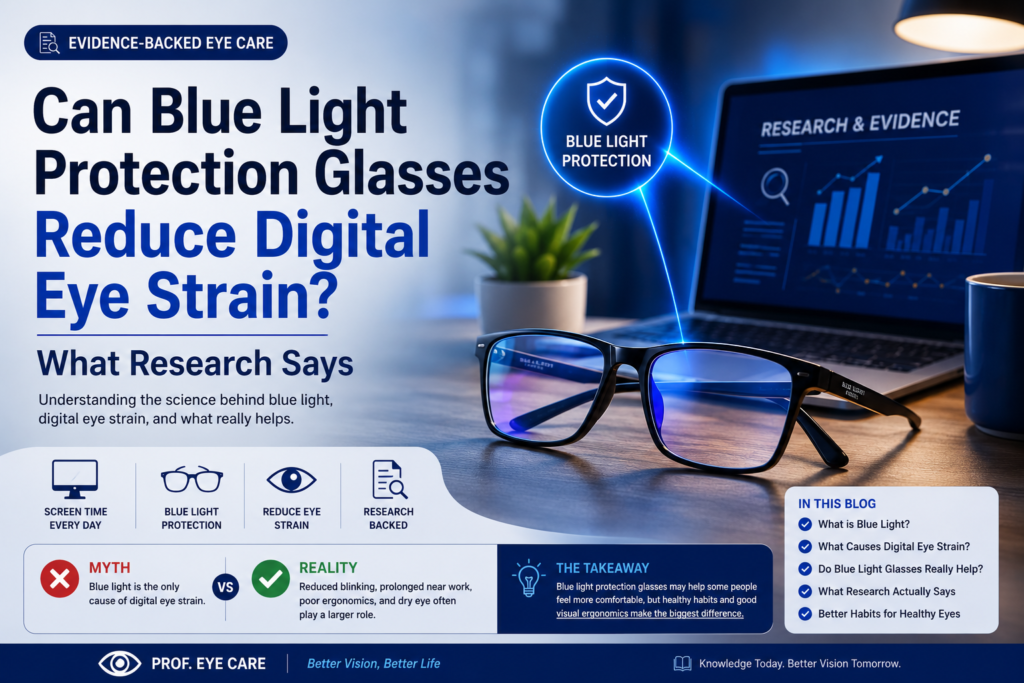
If you’ve ever searched online for solutions to tired eyes, headaches, or screen-related discomfort, you’ve probably come across advertisements for blue light protection glasses.
In my clinical & academic experience, I have frequently met IT professionals, students , and office workers who have believed that blue light is the sole cause of their eye problems. However, after examining this individual, I often find that poor blinking, prolonged near work, and poor visual ergonomics play a much larger role in visual discomfort.
Blue light protection glasses are often advertised as an easy fix for people who spend a lot of time on computers, smartphones, tablets, and other screens. Some ads even say they can reduce eye strain, help you sleep better, and protect your eyes from harm.
But how much of this is true?
As an Optometrist and educator, one of the most common questions I hear from patients, students, and office workers is:
“Do blue light protection glasses actually work?”
The answer is not as straightforward as just yes or no.
Blue light protection glasses might help in some cases, but they are not a quick fix for digital eye strain. To see why, it helps to know what blue light is and what actually causes discomfort when using screens.
Let’s look at what the science really says compared to the marketing claims.
What Is Blue Light?
Think of sunlight as a big rainbow.
When sunlight goes through a prism, it splits into different colors. Each color has its own amount of energy. Blue light is one of these colors and has more energy than many other colors we can see.
Here’s the key point:
Blue light is not new.
Humans have been exposed to blue light since the beginning of time through natural sunlight.
But today, we also get blue light from:
- Computers
- Smartphones
- Tablets
- LED lighting
- Television screens
Since we spend so much time looking at screens, people have become much more concerned about blue light.
That’s why blue light protection glasses have become more popular.
But before we talk about whether these glasses help, let’s look at what really causes digital eye strain.
What Really Causes Digital Eye Strain?
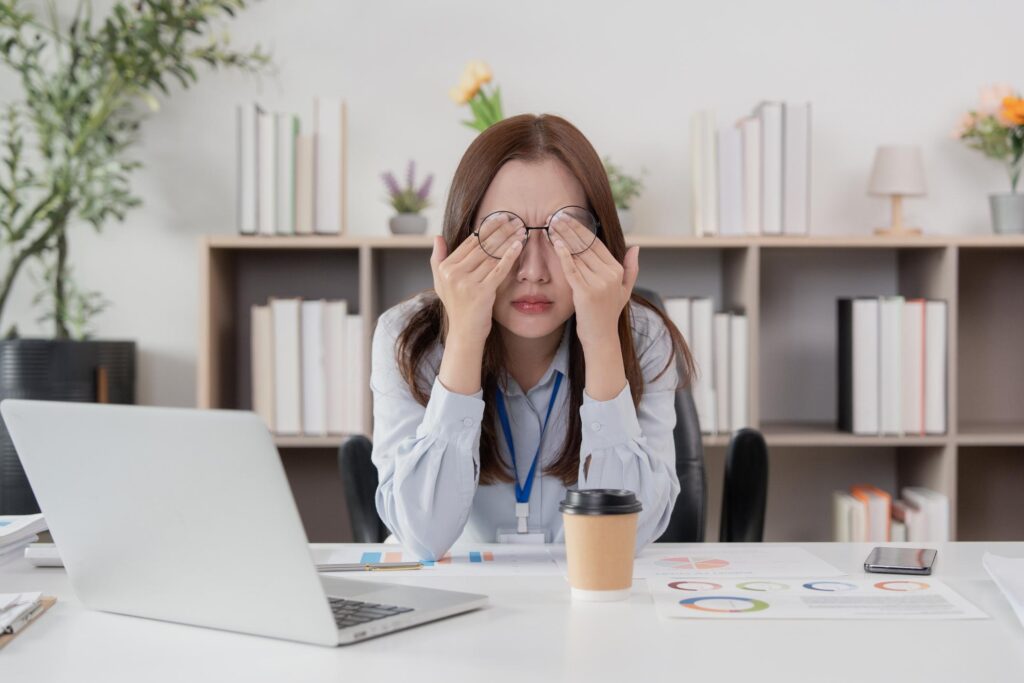
Many people assume blue light is the main culprit behind screen-related discomfort.
But research shows the real story is more complicated.
Digital eye strain is a bit like driving for hours without stopping to rest.
The problem isn’t really the road. It’s the constant effort it takes to stay focused.
In the same way, when we use screens for a long time, a few things happen:
- We blink less frequently.
- Our focusing system works continuously.
- Eye muscles remain engaged for extended periods.
- Poor posture can lead to neck and shoulder tension.
- Dryness develops due to reduced blinking.
All these things can lead to symptoms like:
- Tired eyes
- Dry eyes
- Blurred vision
- Headaches
- Eye discomfort
- Difficulty concentrating
Often, these symptoms are caused more by how we use screens than by blue light alone.
Tip 1: Understand What Blue Light Protection Glasses Can and Cannot Do
A common myth is that blue light protection glasses get rid of digital eye strain completely.
They’re more like sunglasses for a slightly bright day.
They might make some people more comfortable, but they don’t fix every vision problem.
What Research Says
Current research shows that blue light protection glasses might not make a big difference for everyone when it comes to digital eye strain.
Many studies have found that symptoms of eye strain are more closely related to prolonged screen use, poor blinking habits, and focusing fatigue than to blue light exposure alone.
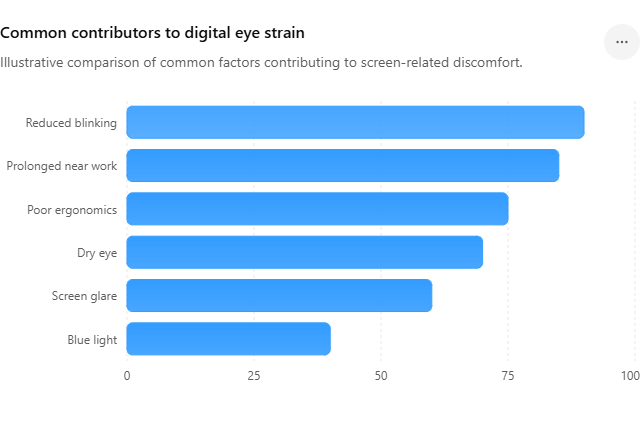
So, just buying blue light protection glasses probably won’t make your symptoms go away right away.
Where They May Help
Some users report:
- Reduced screen glare
- Improved visual comfort
- Less sensitivity to bright screens
This could be because of personal visual preferences, not just the blue light filtering.
In short, some people really do feel better with these glasses, but others don’t notice much change.
The Takeaway
Blue light protection glasses are not a magic fix.
Think of them as just one tool in your eye care kit, not the whole answer.
Tip 2: Focus on the Habits That Actually Reduce Eye Strain
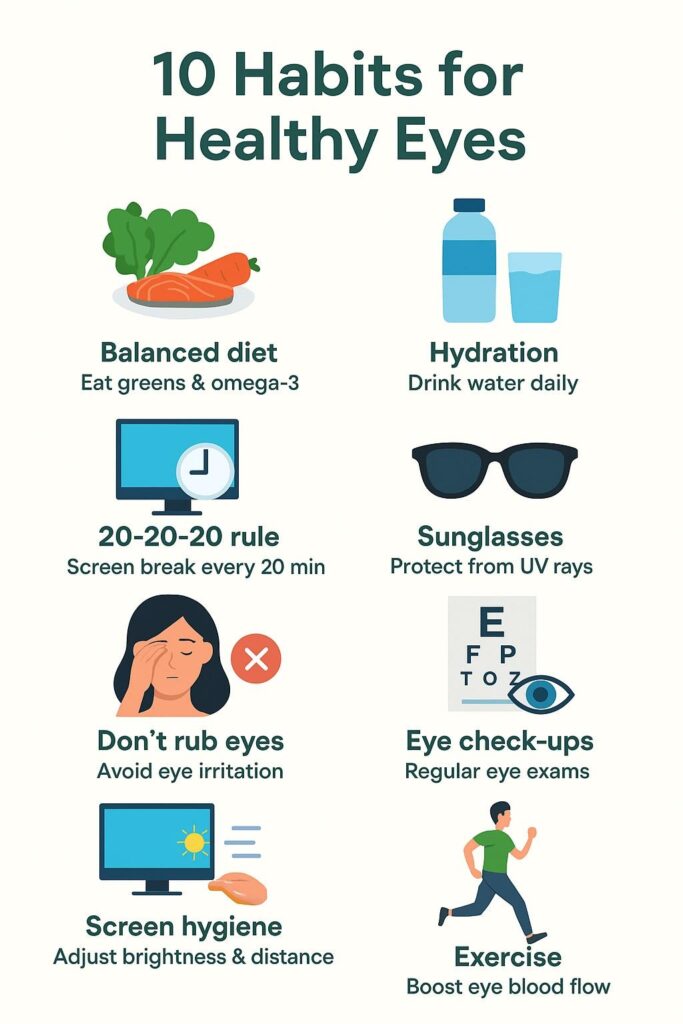
If blue light isn’t the main reason for digital eye strain, what should we pay attention to instead?
The key is building healthy habits for your eyes.
Follow the 20-20-20 Rule.
20-20-20 RULE
Every 20 Minutes
↓
Look 20 Feet Away
↓
For 20 Seconds
↓
Relax Your Eye Muscles
This is one of the best ways to cut down on tired eyes from screens.
Every 20 minutes:
- Look at something 20 feet away.
- For at least 20 seconds
Imagine holding a heavy shopping bag.
Eventually, your arm becomes tired.
Your eyes work the same way. Looking far away lets your eye muscles relax.
Blink More Often
Blinking works like windshield wipers for your eyes.
Each time you blink, you spread a new layer of tears over your eyes.
When you’re working on a computer, you usually blink much less than normal.
The result?
Dryness, irritation, and discomfort.
Try to remember to blink fully and often during the day.
Improve Your Workstation
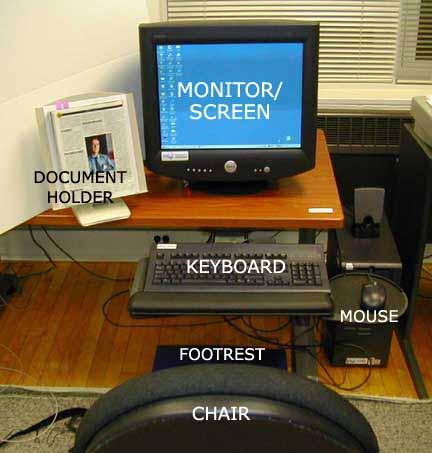
Your screen should be:
- Approximately an arm’s length away
- Slightly below eye level
Having your screen in the right spot helps prevent strain and makes viewing more comfortable.
Simple changes to your workspace can often help more than pricey glasses.
Tip 3: Consider Blue Light Protection Glasses for Evening Screen Use
Even if blue light protection glasses don’t greatly reduce eye strain, they might still help with something else—your sleep.
Blue Light and Your Body Clock
Your body has its own internal clock.
This clock helps regulate:
- Sleep
- Wakefulness
- Hormone production
- Daily energy levels
Getting blue light during the day is actually good for us because it helps us stay alert and awake.
The issue comes up when we get a lot of blue light late at night.
How Evening Screen Use Affects Sleep
It’s like trying to tell your brain it’s bedtime while shining a flashlight in your eyes.
Your brain receives mixed signals.
Looking at bright screens before bed can mess with your body’s production of melatonin, the hormone that helps you sleep.
This is where blue light protection glasses might come in handy.
Some studies show that cutting down on blue light before bed can help you sleep better.
Who Might Benefit Most?
Blue light protection glasses may be specifically useful for those.
- People working night shifts in front of screens.
- Students studying late at night
- Office workers using screens until bedtime
- Individuals with sleep difficulties related to evening screen use
For these people, blue light filtering might be helpful, even if it doesn’t completely eliminate eye strain.
Are Blue Light Protection Glasses Worth Buying?
It really depends on what you expect from them.
If you think blue light protection glasses will totally fix headaches, dry eyes, blurry vision, and screen fatigue, you might be let down.
But if you see them as just one part of a bigger eye care plan, they can be helpful.
It’s a bit like buying running shoes.
Running shoes can make you more comfortable and help you perform better, but they don’t replace good training, staying hydrated, or healthy exercise habits.
In the same way, blue light protection glasses might make some people more comfortable, but they can’t take the place of good screen habits and regular eye checkups.
When Should You See an Optometrist?
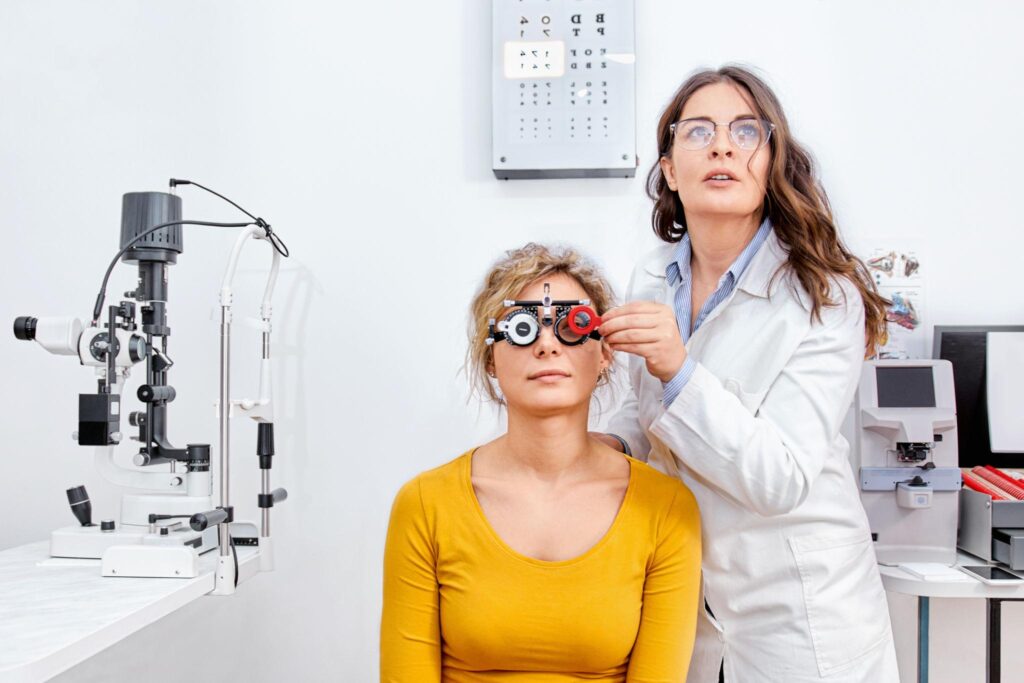
If you experience:
- Persistent headaches
- Frequent blurred vision
- Eye pain
- Double vision
- Severe dryness
- Difficulty focusing
it’s important to get a full eye exam.
Sometimes symptoms attributed to screen use are actually caused by:
- Uncorrected refractive errors
- Dry eye disease
- Binocular vision problems
- Accommodation disorders
A professional can find out what’s really causing your symptoms and give you advice that fits your needs.
Conclusion
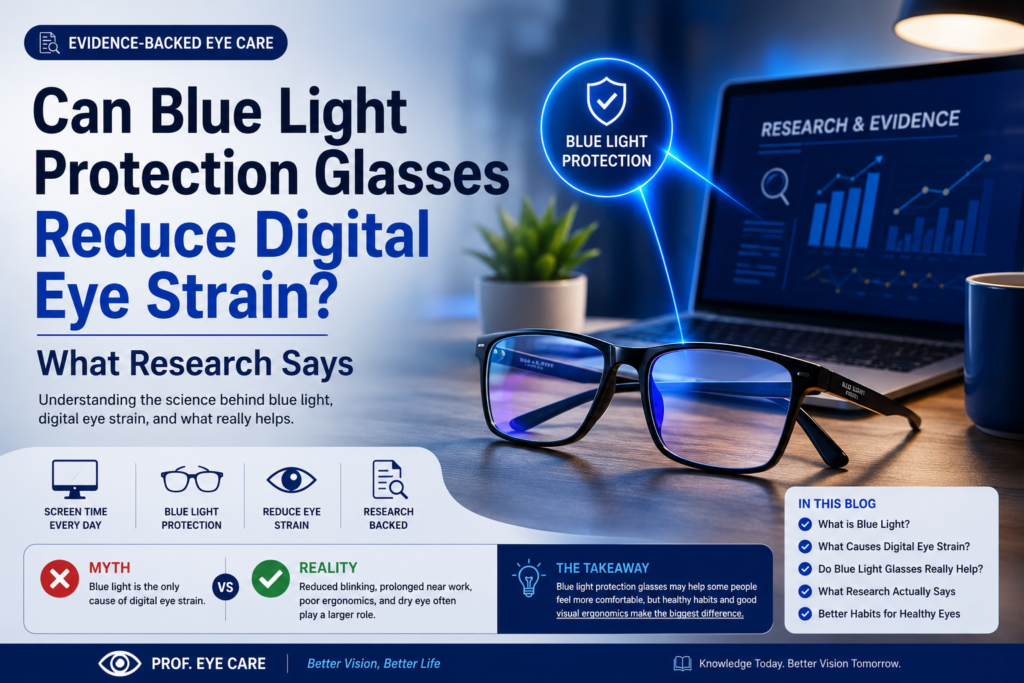
When I teach Dispensing optics science to students, in the spectacle lens coating chapter, when I asked students about coating, their first answer was Blue Coat Lens.
Blue light protection glasses have become very popular lately, but people often misunderstand the science behind them.
Research shows that digital eye strain usually comes from using screens for too long, not blinking enough, tired eye muscles, and bad habits—not just blue light.
That doesn’t mean blue light protection glasses are useless. Some people feel more comfortable wearing them, and they might help with sleep if you use screens at night.
But the best way to cut down on digital eye strain is actually pretty simple, which we have already discussed.
- Take regular breaks from computer or digital screen work.
- Follow the 20-20-20 rule, I think you remember, if not, visit the earlier blog.
- Blink frequently.
- Optimize your workspace.
- Maintain proper viewing distances.
- Schedule regular eye examinations.
In the end, good screen habits do much more for your eyes than any pair of glasses.
Your eyes work hard for you every day, so make sure to give them breaks, take care of them, and pay attention to their needs.
Author: Prof. Debapriyo Chatterjee
Assistant Professor of Optometry
Founder, The Prof. Eye Care
Disclaimer: This article is intended for educational purposes only and should not be considered medical advice. Consult a qualified eye care professional for personalized diagnosis and treatment.
To know about Digital Eye Strain click here